
Method Over Imagination
The Mysterious Affair at StylesThe novel contrasts imaginative suspicion with Poirot’s disciplined habit of testing details and revising explanations.
increasing Bearing strength in each event
 decreasing
Bearing strength in each eventdecreasingHastings Wants a Detective’s Life

The Dream of Detection
A Romantic Ideal
Hastings admits that he has long wanted to be a detective, inspired by famous investigators and the romance of deduction. His enthusiasm emphasizes the gap between fictional certainty and difficult evidence.
Poirot as Model
He describes Poirot as a master of method, yet Hastings often imitates confidence without exercising the same discipline. The investigation will repeatedly expose the difference.
Every Fact Matters
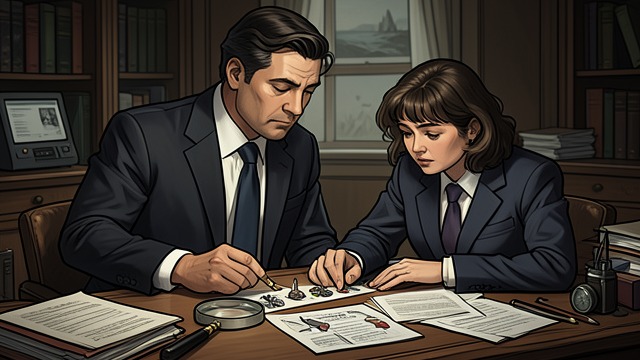
Order Before Judgment
The Importance of Small Details
Poirot insists that an investigator must not discard a fact merely because it seems trivial or inconvenient. Contradictions point toward missing links rather than nuisances to be ignored.
Hastings Learns the Rule
Hastings has provided many details but cannot tell which matter. Poirot’s method is to arrange, compare, and test them until the pattern clarifies.
The Cocoa Misjudgment
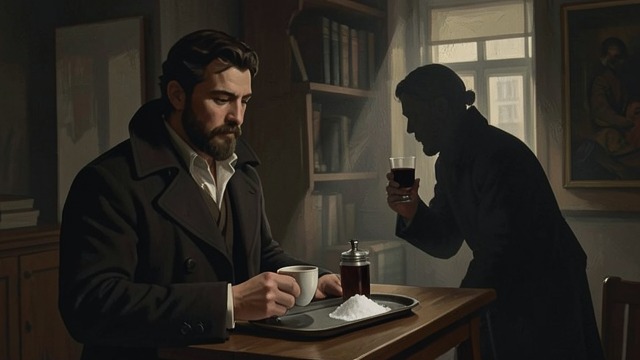
A Premature Conclusion
Hastings Sees the Answer
After hearing about salt on the cocoa tray, Hastings concludes that the drink contained strychnine and explains the delayed symptoms. The explanation feels satisfying because it connects two visible clues.
Poirot Resists Certainty
Poirot refuses to accept the theory without analysis. The cocoa is a plausible lead, but plausibility cannot replace testing, and the later results prove Hastings wrong.
The Weather as Evidence
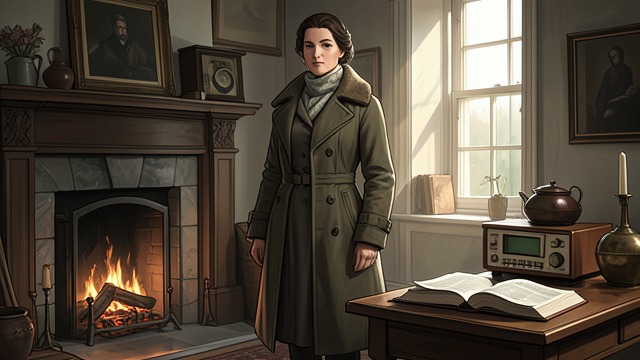
An Unusual Fire
A Hot Day Remembered
Poirot emphasizes the heat on the afternoon Emily ordered a fire in her bedroom. Hastings thinks this observation is absurdly minor, but Poirot treats its contradiction with ordinary behavior as important.
Meaning Emerges Later
The fire was used to destroy a document. The weather does not solve the murder alone, but it makes the act of burning visible as a deliberate event requiring explanation.
A New Theory Replaces the Old

Revision as Strength
Competing Accounts Tested
Poirot abandons interpretations when later facts fail to fit them, including his early understanding of the will and the apparent case against Alfred. His method depends on correction rather than defending a first impression.
A Coherent Pattern
The tonic, narcotic, missing cup, letter, and timing align only after the earlier theories are revised. The solution demonstrates that disciplined uncertainty can be more powerful than confident imagination.
At the beginning of July
Morning after Emily’s death
During the first bedroom search
During the inquest interval
Near the final explanation
